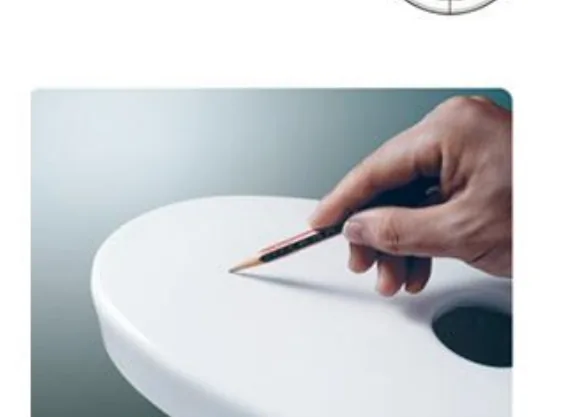
Nano glaze
A nano-scale glaze layer fills the micro-pores of the vitreous body, so dirt and limescale sit on the surface instead of gripping it. Pencil tests and stain cycles are part of batch release.
We press, glaze and fire vitreous china in Chaozhou — then ship it to importers, distributors and project buyers in containers, under your brand or ours.
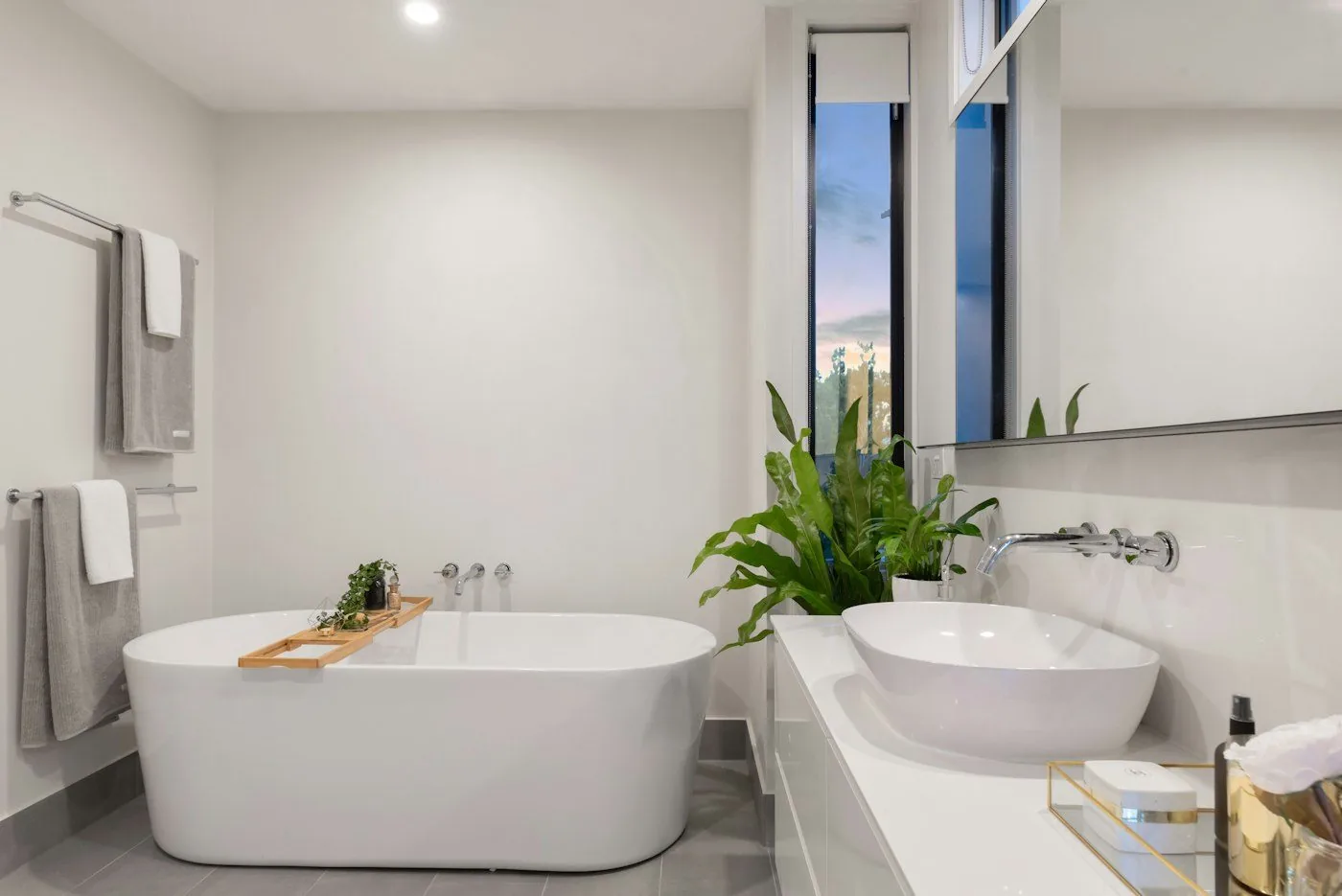
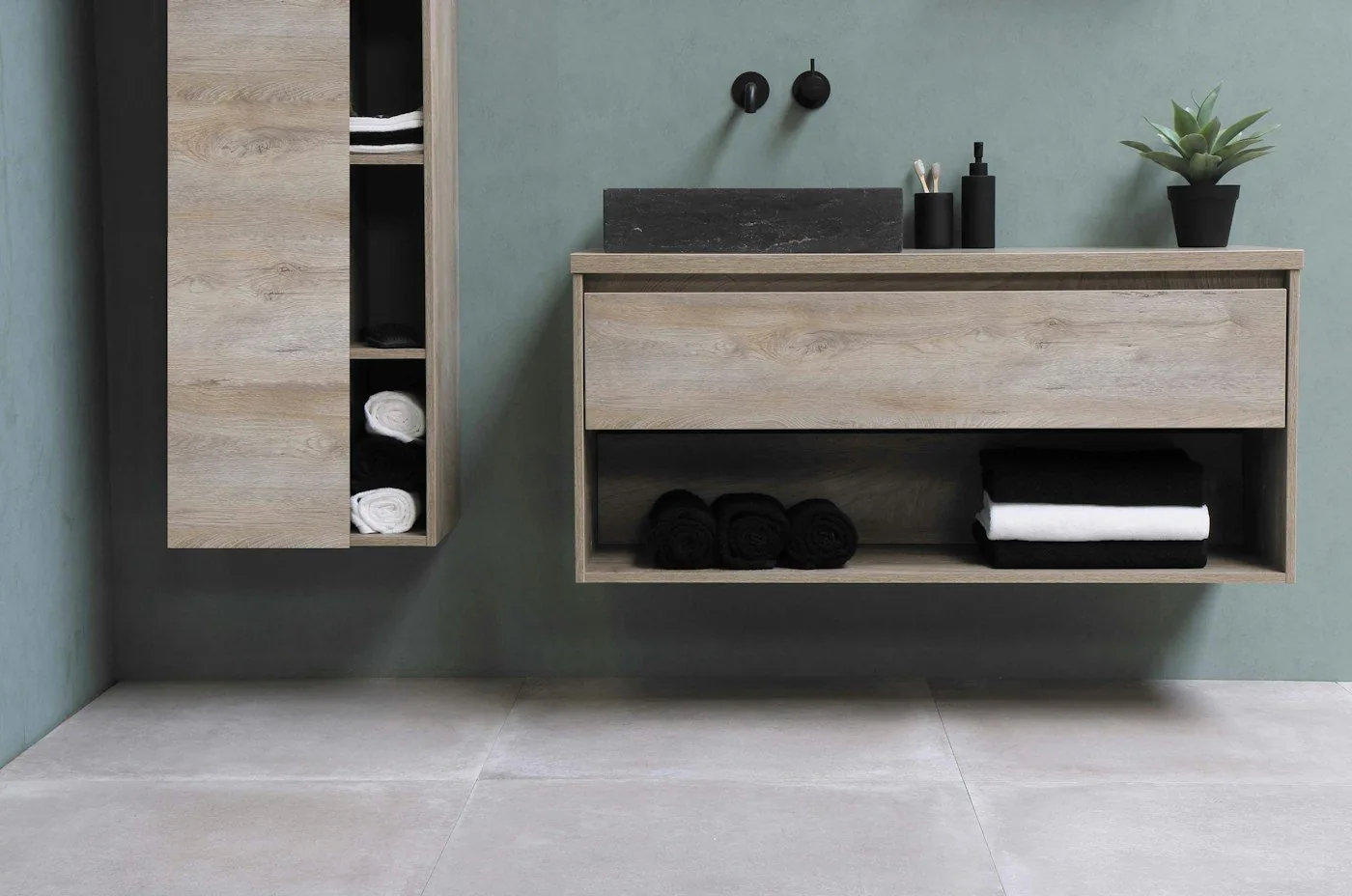 Chaozhou · Guangdong · China
Donghong Ceramics was founded in 2013 as a specialist producer of vitreous china sanitaryware. Today the plant runs a fully automated natural-gas tunnel kiln, high-pressure casting cells and a closed-loop glaze line — the combination that lets us hold dimensional tolerance and colour consistency across repeat orders.
Everything in the catalogue is made in-house, which means one quality standard, one packing spec and one shipment schedule across a mixed container.
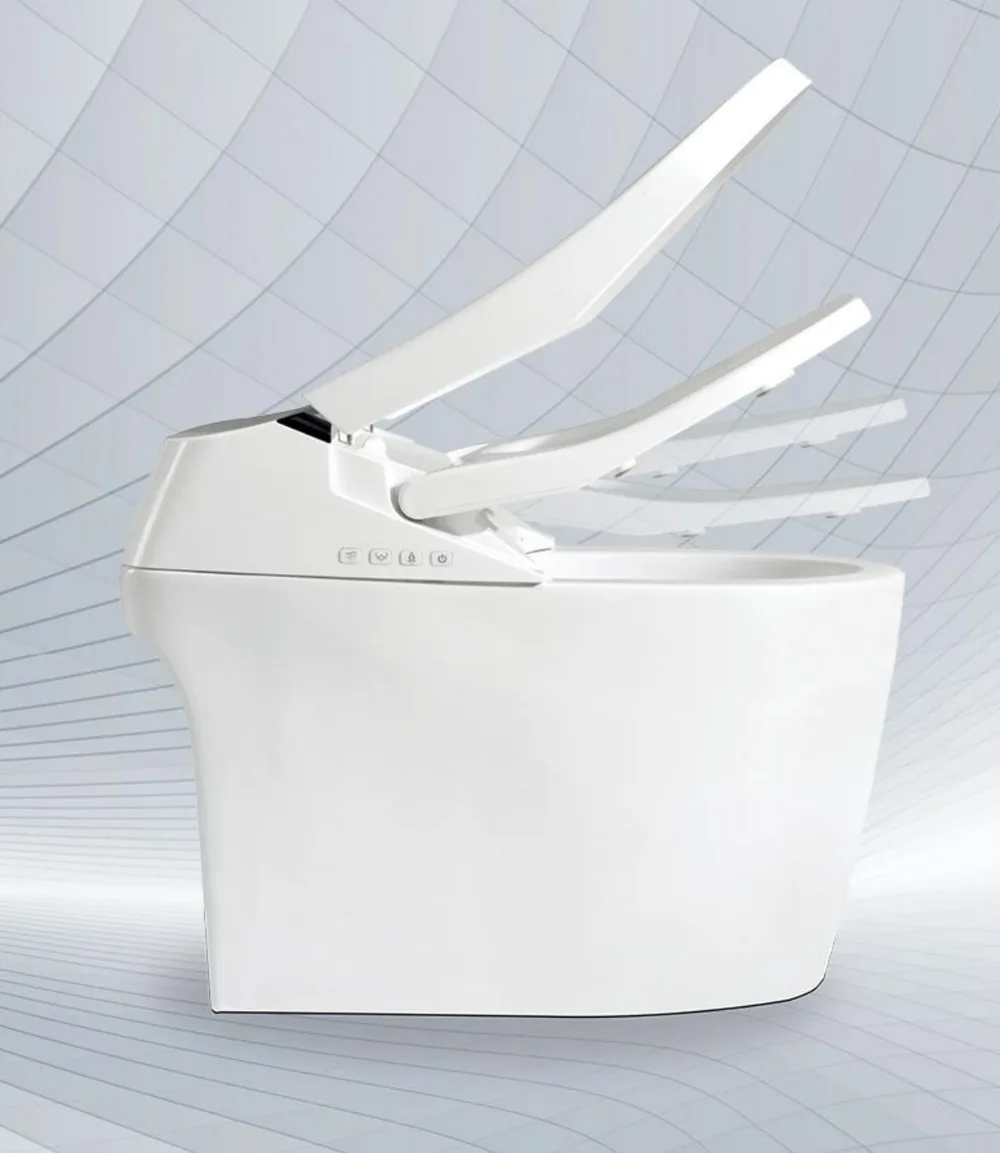
One-knob operation, sensor flush, instant heating, warm-air drying and seat heating — built on the same vitreous body as our standard WCs.
View models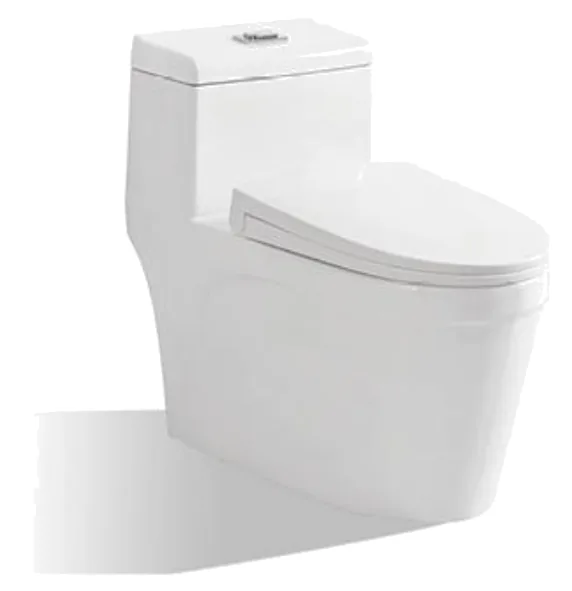
Super-vortex siphon bodies with rimless or boxed rims, S-trap and P-trap options, 300 mm and 400 mm rough-in.
View models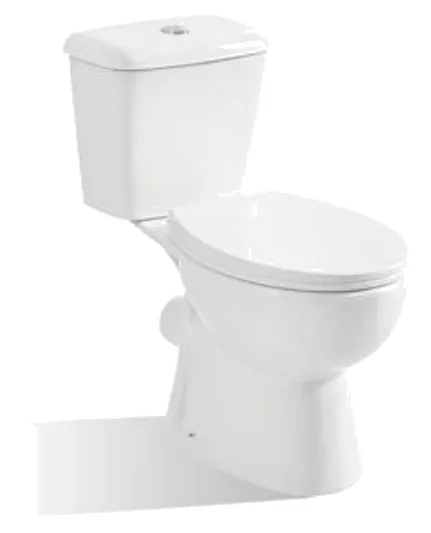
Separate tank and pan for markets that prefer the classic configuration; washdown and siphon versions.
View models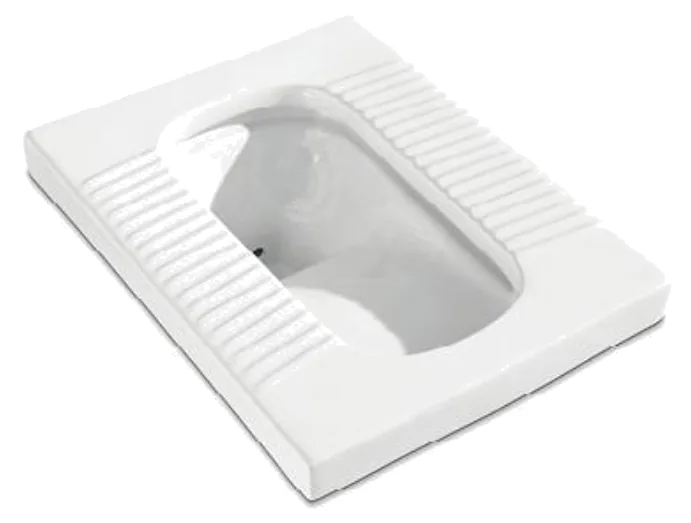
Standard, children's and accessible models with 400 mm and 600 mm outlet, plus optional grab-rail sets.
View models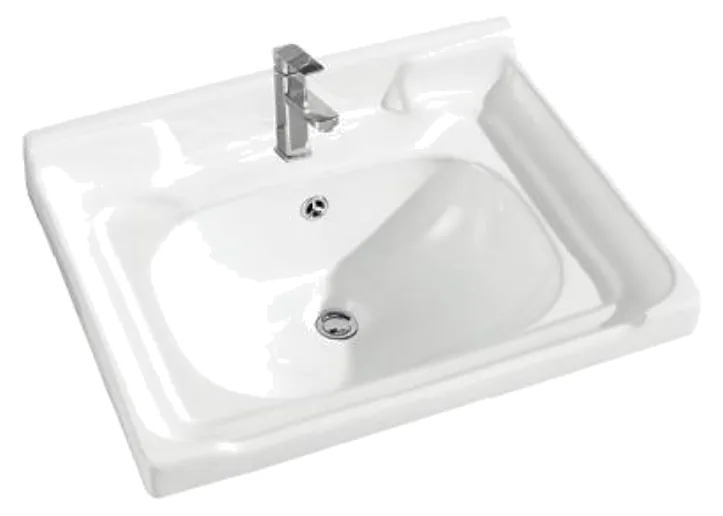
Cabinet, under-counter, counter-top and pedestal basins in oval, rectangular and soft-square formats.
View models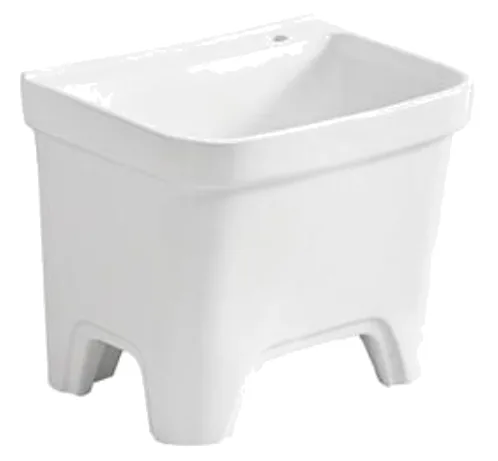
Freestanding and wall-hung mop pools, laundry sinks and wash troughs for utility and wet-room layouts.
View modelsNo trading layer between you and the kiln. Every stage below happens on one site, so a change to a mould, a glaze or a carton is a conversation with the people who make it.
A fully automated gas-fired tunnel kiln with computer-controlled temperature curves gives stable vitrification batch after batch — the difference you see in shade match and in a body that does not craze.
High-pressure casting cells and pressure-slip lines shorten the mould cycle and tighten wall thickness, which is what keeps 300 mm and 400 mm trapways dimensionally interchangeable.
Robotic glazing with glaze recovery keeps coating weight even, so the nano-glaze surface stays smooth on the inside of the trapway where staining starts.
Every piece is water-tested and visually inspected before the automatic packing line. Cartons are drop-tested for sea freight and can be printed to your artwork.
Glaze, flush performance and cleanability decide whether a container comes back for a second order. These are the tests we run on them.
A nano-scale glaze layer fills the micro-pores of the vitreous body, so dirt and limescale sit on the surface instead of gripping it. Pencil tests and stain cycles are part of batch release.
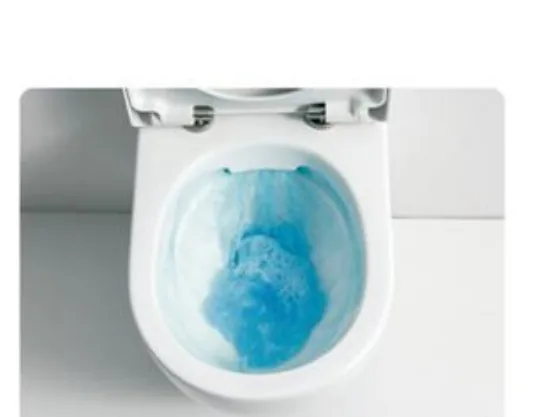
A 360° vortex rinse plus siphon jet clears the whole bowl in one pass — tested with dye so residue shows up immediately, and matched to 3/6 L dual flush where required.
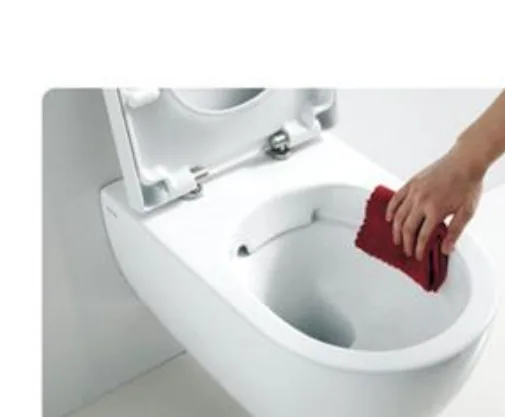
Removing the boxed rim takes away the ledge where bacteria and scale collect. Nothing to reach under, nothing to hide — a point that closes sales in retail and hospitality.
Most of our export volume leaves under the buyer's brand. We handle the parts that are easy to get wrong: logo placement, glaze colour, carton artwork, barcode and shipping marks.
Send the model, market and volume. We confirm the closest existing mould.
Pre-production sample with your logo and glaze colour, shipped by courier.
You sign off on colour, water volume, seat and packaging artwork.
Bulk run, inspection report with photos, then booking and loading.
 Private label · your brand
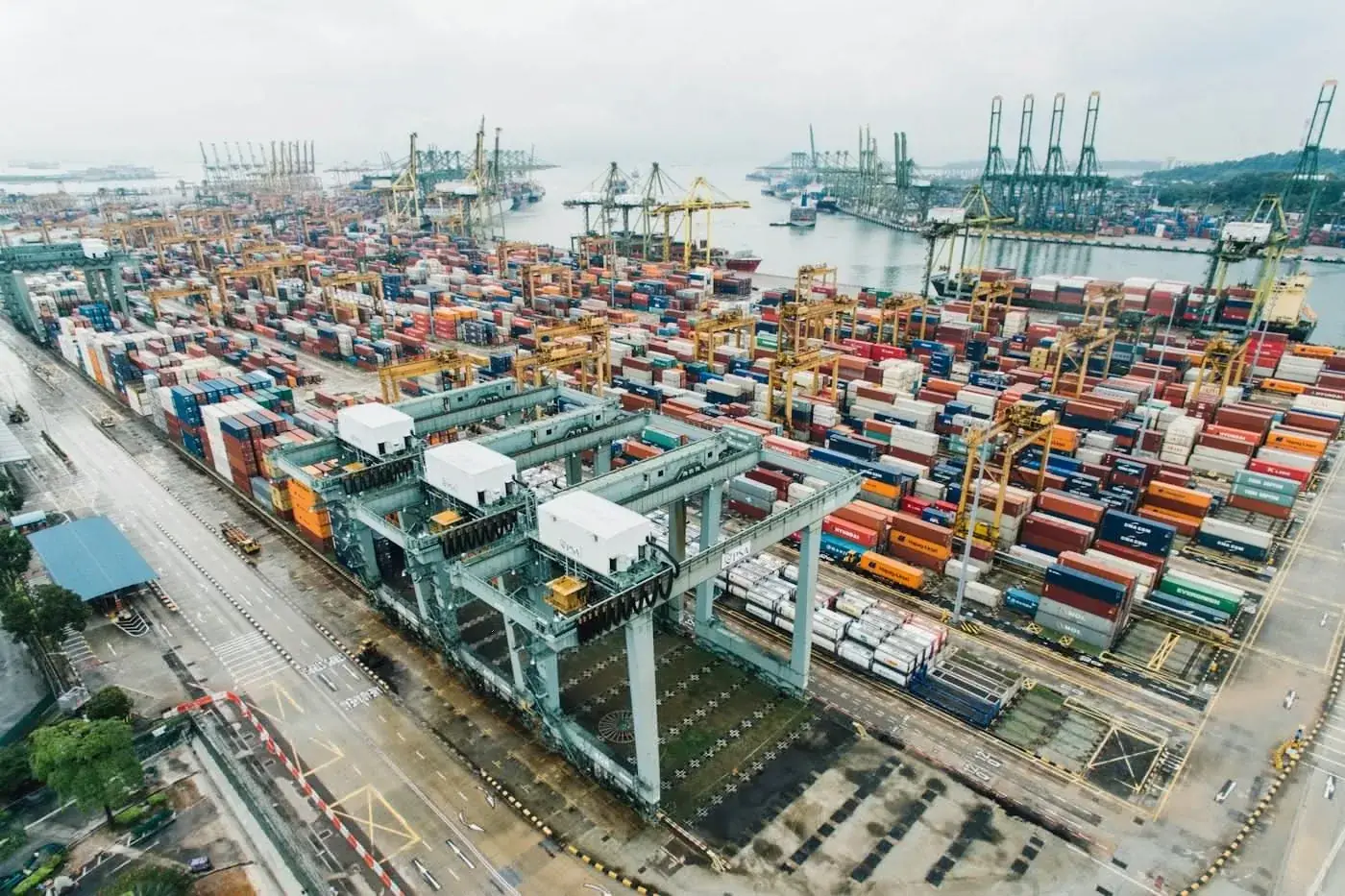
Sanitaryware is heavy and fragile at the same time. Loading plan, carton strength and mixed-container logic matter as much as the product itself.
Lead times are indicative and confirmed per order. Certification documentation (CE, WaterMark, cUPC) can be arranged for models sold into those markets.